

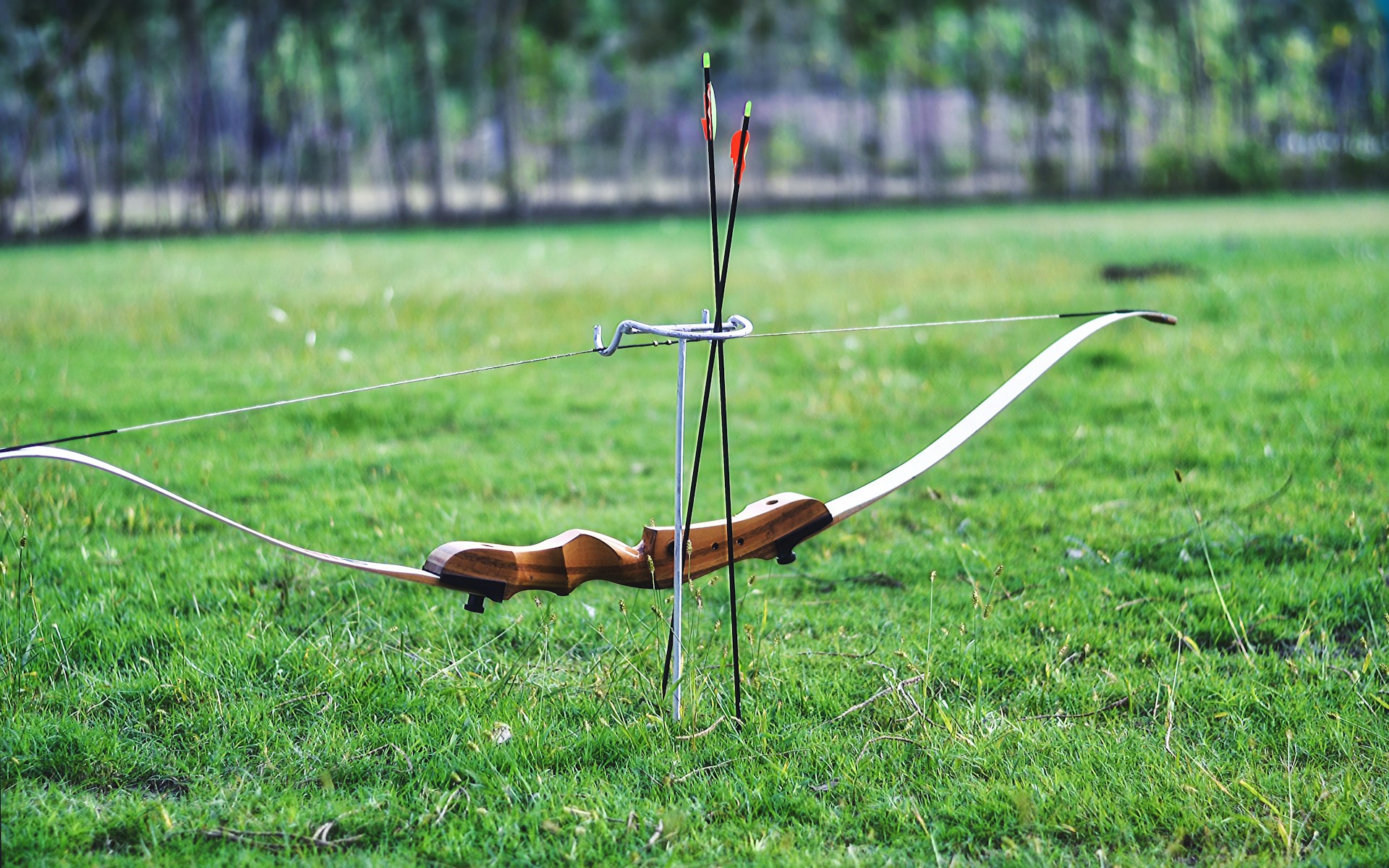
Archery season is fast approaching, bringing the thrill of the chase and the quiet focus of the woods. Selecting the right gear can make the difference between an ethical harvest and a missed opportunity. Technology advances rapidly every year, offering hunters greater speed, tighter accuracy, and enhanced safety features.
Navigating the market requires understanding your specific needs and the terrain you plan to conquer. This guide breaks down the essential components to look for when upgrading your setup. You will learn how to evaluate speed, safety mechanisms, ease of use, and overall value to ensure your investment pays off in the field.
By focusing on these core elements, you can elevate your outdoor experience. Let us dive into the key factors you need to consider before heading into the woods.
Prioritizing Accuracy and Precision
The Importance of Consistent Groupings
When engaging in any form of archery, precision dictates success. You need a weapon that places the arrow exactly where you aim, every single time. Modern engineering has significantly improved consistency, allowing hunters to achieve sniper-like accuracy.
To determine a model’s true potential, many hunters consult independent crossbow reviews before making a purchase. Rigorous third-party testing often reveals the performance gap between premium domestic builds and generic imports.
For example, some top-tier American-built models are 25% more accurate than average imported competitors, yielding shot groups that are significantly tighter at long distances.
Evaluating Speed and Power
Finding the Right FPS (Feet Per Second)
Kinetic energy and speed are crucial for a clean harvest. Faster arrows result in flatter trajectories, leaving less room for the animal to react or “jump the string.”
When evaluating speed, keep the following benchmarks in mind:
- Entry-Level Speeds: Around 300 to 350 FPS is perfectly adequate for whitetail deer at moderate ranges.
- High-Performance Speeds: Models generating 390 to 400 FPS provide exceptional knockdown power and flatter arrow flight.
- Top-Tier Speeds: Anything exceeding 400 FPS caters to advanced users looking to maximize kinetic energy at extended distances.
A faster bow also minimizes wind drift. This ensures your broadhead maintains its intended path even in challenging weather conditions.
Understanding Cocking and De-Cocking Mechanisms
Safety and Convenience in the Field
Drawing a heavy bowstring requires substantial physical effort. Built-in cocking devices alleviate this strain, ensuring consistent string alignment for better accuracy.
Equally important is the de-cocking process. Historically, hunters had to carry a discharge target or fire an arrow into soft ground at the end of the day, which often damaged expensive arrows. Modern advancements allow for safe, mechanical de-cocking.
- Integrated Cranks: Systems like the built-in ACUdraw provide a silent, effortless draw.
- Safe De-Cocking: Advanced models let you safely unwind the bow without firing a shot.
- Consistency: Mechanical aids guarantee the string is pulled back evenly every time, preventing left or right deviations.
Sizing Up Dimensions and Weight
Maneuverability in Tight Spaces
A bulky weapon becomes a liability when trekking through thick brush or sitting in a cramped ground blind. The physical footprint of your gear directly impacts your mobility.
When reviewing specifications, pay close attention to the axle-to-axle width and overall length. Modern designs feature narrow profiles, often measuring between 9.5 and 11 inches wide when cocked.
A streamlined profile prevents the limbs from catching on branches or blind windows. Furthermore, a well-balanced, lightweight frame reduces fatigue during long hikes to your favorite stand.
Assessing Build Quality and Origin
The Value of American-Made Craftsmanship
Durability is non-negotiable when facing harsh weather and rugged environments. The materials used in construction—from the flight deck to the limbs—determine longevity.
Many seasoned experts prefer hunting crossbows that are manufactured domestically. Brands that build, inspect, and test their products in the United States, such as those operating out of Mogadore, Ohio, maintain stringent quality control.
American-built craftsmanship ensures you rely on premium parts, such as wider limbs and larger axles, which create a highly stable and repeatable shooting platform.
Balancing Budget and Performance
Getting the Most for Your Money
You do not need to empty your wallet to secure a highly capable weapon. The market now offers exceptional value, blending tradition with modern innovation.
When shopping for the best crossbows on a budget, prioritize models that offer high-end features without the luxury price tag. You can easily find uncompromising performance in the $499 to $1,099 range. Look for value-packed options that include:
- Factory-calibrated scopes for instant accuracy.
- Included cocking mechanisms to save you from buying aftermarket add-ons.
- A solid warranty backed by a reputable manufacturer.
By balancing cost with these critical features, you can comfortably participate in crossbow hunting without sacrificing reliability.
Prepare for a Successful Season
Choosing the right equipment requires a careful assessment of speed, size, safety features, and build quality. By prioritizing American-made craftsmanship and integrated safety systems, you position yourself for a safe and productive season.
Take the time to evaluate your specific hunting environment and match your gear to those demands. Invest in quality broadheads, maintain your string, and practice your shots from realistic hunting positions. Equip yourself with a reliable tool, practice diligently, and head into the woods with total confidence.