
Home appliances are the unsung heroes of modern life, quietly keeping food fresh, clothes clean, and dishes sparkling. It is easy to take them for granted until a refrigerator stops cooling or a washing machine refuses to drain. When a crucial device breaks down, it disrupts the entire rhythm of a household, often leading to panic and frantic searches for immediate help.
While some issues require professional intervention, many common appliance malfunctions are surprisingly simple to diagnose and fix. Understanding the basics of how these machines operate can save homeowners significant time and money.
Instead of immediately calling for service, a little troubleshooting can often resolve the problem or at least clarify what kind of repair is needed. This guide explores the most frequent issues homeowners encounter with their major appliances. It provides practical troubleshooting tips and maintenance advice to help extend the lifespan of these essential machines.
Whether it is a noisy dryer or a dishwasher that won’t start, learning these solutions empowers homeowners to tackle household hiccups with confidence.
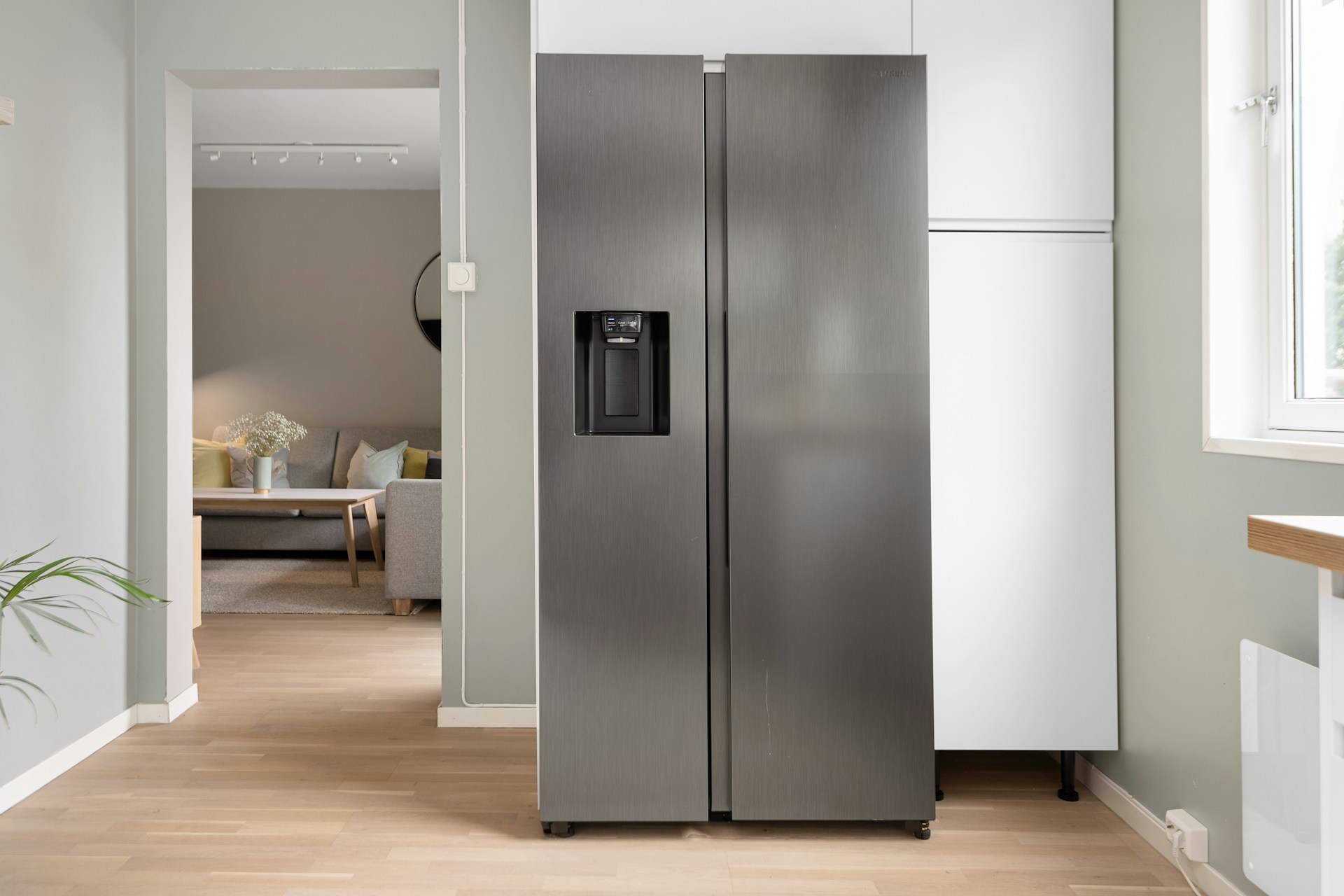
Refrigerator Not Cooling Properly
A refrigerator that fails to keep food cold is an urgent problem. Before worrying about the cost of the best fridge repair services, check the basics.
The most common culprit is often a dirty condenser coil. These coils, usually located at the back or bottom of the fridge, dissipate heat. When they get covered in dust and pet hair, the refrigerator has to work much harder to cool down, often failing to reach the desired temperature.
How to Fix It
- Clean the Coils: Unplug the fridge and use a coil brush or vacuum hose to remove dust from the condenser coils. This should be done every six months as part of regular home maintenance.
- Check the Door Seals: If the rubber gasket around the door is torn or loose, cold air escapes. Test this by closing the door on a dollar bill; if it pulls out easily, the seal needs replacing.
- Verify Temperature Settings: Ensure the thermostat hasn’t been accidentally bumped to a warmer setting.
Washing Machine Won’t Drain
Opening a washing machine to find soaking wet clothes floating in water is a frustrating experience. This issue is frequently caused by a clog in the drain hose or the pump filter. Small items like coins, socks, or accumulated lint can block the water from exiting the machine.
Troubleshooting Steps
- Inspect the Drain Hose: Look for kinks or bends in the hose behind the machine. Straightening it out may solve the problem immediately.
- Clear the Pump Filter: Most front-loading washers have a filter access door near the bottom. Open it (have a towel ready for water spills) and remove any debris trapped inside.
- Check for Blockages: If the hose is removable, check it for clogs. Running water through it in a utility sink can reveal blockages.
Dishwasher Leaving Dishes Dirty
When a dishwasher cycle ends, and the plates are still covered in food residue, it defeats the purpose of the appliance. This problem often stems from user error or minor mechanical obstructions rather than a catastrophic motor failure. Poor loading habits or a clogged spray arm are usually to blame.
Solutions for Sparkling Dishes
- Clean the Spray Arms: The spinning arms have small holes that spray water. If these get clogged with food particles or mineral deposits, water pressure drops. Use a toothpick to clear the holes.
- Clean the Filter: Located at the bottom of the tub, the filter traps large food particles. If it is full of debris, water cannot circulate properly. Rinse it under hot water.
- Check the Detergent Dispenser: Ensure the dispenser door isn’t blocked by a large pot or pan, preventing it from opening during the cycle.
Dryer Making Strange Noises
A dryer should hum, not screech, thump, or bang. Unusual noises are a clear sign that something is wrong within the mechanism. Ignoring these sounds can lead to more severe damage or even fire hazards. The type of sound often indicates the specific part that is failing.
Identifying the Sound
- Thumping: This usually means the drum support rollers are worn out or flat-spotted. It can also happen if the dryer hasn’t been used in a while.
- Squealing: A high-pitched squeal typically points to a worn-out belt or idler pulley. These parts are relatively inexpensive and easy to replace.
- Scraping: If it sounds like metal on metal, the drum glides (plastic or felt pads) may be worn, causing the drum to rub against the cabinet.
Oven Not Heating Up
An oven that won’t get hot puts dinner plans on indefinite hold. For electric ovens, the issue is almost always a burnt-out heating element. These elements glow red hot when working, so a visual inspection is the first step. For gas ovens, the igniter is the most common point of failure.
Repair Steps
- Inspect the Heating Element: Look for blisters, breaks, or separated sections on the coil. If the element looks damaged, it needs to be swapped out.
- Test the Igniter (Gas): If the igniter glows but doesn’t light the gas, it may be weak. If it doesn’t glow at all, it is likely dead.
- Check the Breaker: Sometimes, an oven trips the circuit breaker. Resetting the breaker box might be the simplest appliance repair of all.
Garbage Disposal Humming But Not Grinding
A garbage disposal that hums without grinding is likely jammed. This happens when a hard object, like a fruit pit or a piece of bone, gets wedged between the impeller plate and the drain hole. The motor tries to turn, creating the humming sound, but the jam prevents movement.
Safe Unjamming Techniques
- Turn It Off: Never put your hands inside a disposal, even if it is off. Unplug the unit or turn off the breaker to be safe.
- Use the Hex Key: Most disposals come with an offset wrench (hex key). Insert it into the hole at the very bottom center of the unit (under the sink) and crank it back and forth to manually free the jam.
- Press the Reset Button: If the unit overheated, the reset button on the bottom may have popped. Press it back in once the jam is cleared and the unit has cooled.
Don’t Let Broken Appliances Disrupt Your Life
Dealing with appliance malfunctions is an inevitable part of homeownership, but it doesn’t have to be a nightmare. By performing regular home maintenance and learning basic troubleshooting tips, homeowners can resolve many issues without external help.
From cleaning condenser coils to unjamming a disposal, these small fixes keep a household running smoothly. However, knowing when to call a professional is equally important.
If a repair involves complex electrical work, gas lines, or advanced diagnostics, contacting a qualified technician is the safest route. Whether fixing it yourself or hiring the best fridge repair expert in town, addressing problems early prevents minor annoyances from becoming major, expensive headaches.