

A functioning refrigerator is the quiet workhorse of any kitchen. It operates day and night to keep your produce fresh, your beverages cold, and your family safe from foodborne illnesses. Most homeowners rarely give this large appliance a second thought until something goes wrong.
When a breakdown happens, it brings an immediate sense of urgency. A warm interior means groceries will quickly spoil, leading to wasted food and lost money.
Small mechanical hiccups can also cause massive spikes in your monthly electricity bill as the machine works overtime to compensate for failing parts. Recognizing the early indicators of mechanical failure can save you from a major household disaster.
Catching a problem early often translates to a cheaper, faster fix. This guide outlines the most common red flags of refrigerator damage, helping you determine exactly when you should pick up the phone and call a certified technician.
1. You Notice Unusual or Loud Noises
Modern appliances are designed to operate quietly. While a gentle hum from the compressor is completely normal, your kitchen should never sound like a construction zone.
Identifying Normal vs. Abnormal Sounds
Every machine makes a baseline level of noise. You might occasionally hear the ice maker dropping cubes or the defrost cycle clicking on and off. These are standard operational sounds.
However, you should pay close attention if you hear loud knocking, grinding, or squealing. A grinding noise often points to a failing condenser fan motor, while a loud rattling could indicate that the compressor is starting to break down.
When to Seek Professional Help
If the loud noises persist for several days or grow continuously louder, you need to bring in an expert. Ignoring a screeching motor will inevitably lead to a total system failure.
A certified technician can quickly diagnose the exact source of the sound, replacing worn-out fans or realigning internal components before the entire unit shuts down.
2. Your Fridge Is Not Cooling Properly
The primary job of this appliance is to maintain a safe, consistently cold temperature. If you reach for a glass of milk and find it lukewarm, you have a serious problem on your hands.
Checking the Thermostat and Vents
Before assuming the worst, verify that the internal thermostat was not accidentally bumped. The ideal temperature for a fresh food compartment is between 37°F and 40°F (3°C to 4°C).
Next, check the air vents at the back of the interior. Overpacking the shelves can block cold air from circulating, causing uneven temperatures throughout the unit.
The Risks of Spoiled Food
If you have adjusted the thermostat and cleared the vents but still find your fridge not cooling, a critical component has likely failed. This issue is frequently caused by a malfunctioning compressor, a broken evaporator fan, or a depleted supply of refrigerant.
Because raw meat and dairy spoil rapidly at room temperature, a lack of cooling requires emergency, same-day service from a qualified professional.
3. There Is Excessive Condensation or Frost
Moisture belongs inside your crisper drawers, not pooling on the glass shelves or coating your freezer walls in thick ice.
Spotting Leaky Door Seals
Take a close look at the rubber gasket surrounding the door. If this seal is torn, cracked, or simply old, warm ambient air will constantly seep into the chilled interior.
The appliance will sweat, leading to heavy condensation on the walls and shelves. You can test the seal by closing the door on a dollar bill. If the paper slips out easily, the gasket needs to be replaced.
Dealing with Freezer Frost Buildup
While older models require manual defrosting, most modern units are frost-free. If you see thick layers of ice accumulating in the freezer compartment, the automatic defrost system is likely failing. A technician will need to test the defrost heater, timer, and thermostat to restore normal function.
4. The Motor Is Running Constantly
A healthy appliance cycles on and off throughout the day to maintain its internal temperature. It should never run continuously.
Understanding the Defrost Cycle
The compressor must activate periodically to chill the air, but it needs time to rest. If you hear the motor running without a break, the machine is struggling to do its job.
This often happens in extremely dusty environments where the condenser coils become coated in grime. When the coils are dirty, the appliance cannot release heat efficiently, forcing the motor to work continuously.
Energy Bill Spikes and Motor Strain
A motor that never rests will significantly inflate your monthly utility bills. More importantly, this constant strain will eventually cause the compressor to burn out completely.
Replacing a compressor is one of the most expensive appliance repairs, so addressing a hyperactive motor early is highly recommended.
5. Water Is Leaking Around the Appliance
Finding a puddle of water on your kitchen floor is both a slipping hazard and a clear sign of mechanical distress.
Common Causes of Puddles
Leaks generally stem from two main sources: a blocked defrost drain or a compromised water supply line.
- Blocked Defrost Drain: Food particles and debris can clog the drain hose, causing water to overflow and leak out of the bottom of the unit.
- Damaged Water Line: If your model features an ice maker or water dispenser, the plastic supply tubes can crack or come loose over time.
- Cracked Drain Pan: The pan sitting underneath the machine can sometimes crack, allowing normal condensation to leak directly onto your flooring.
Preventing Water Damage to Floors
Water pooling under a heavy machine will quickly warp hardwood floors and cause mold to grow under linoleum.
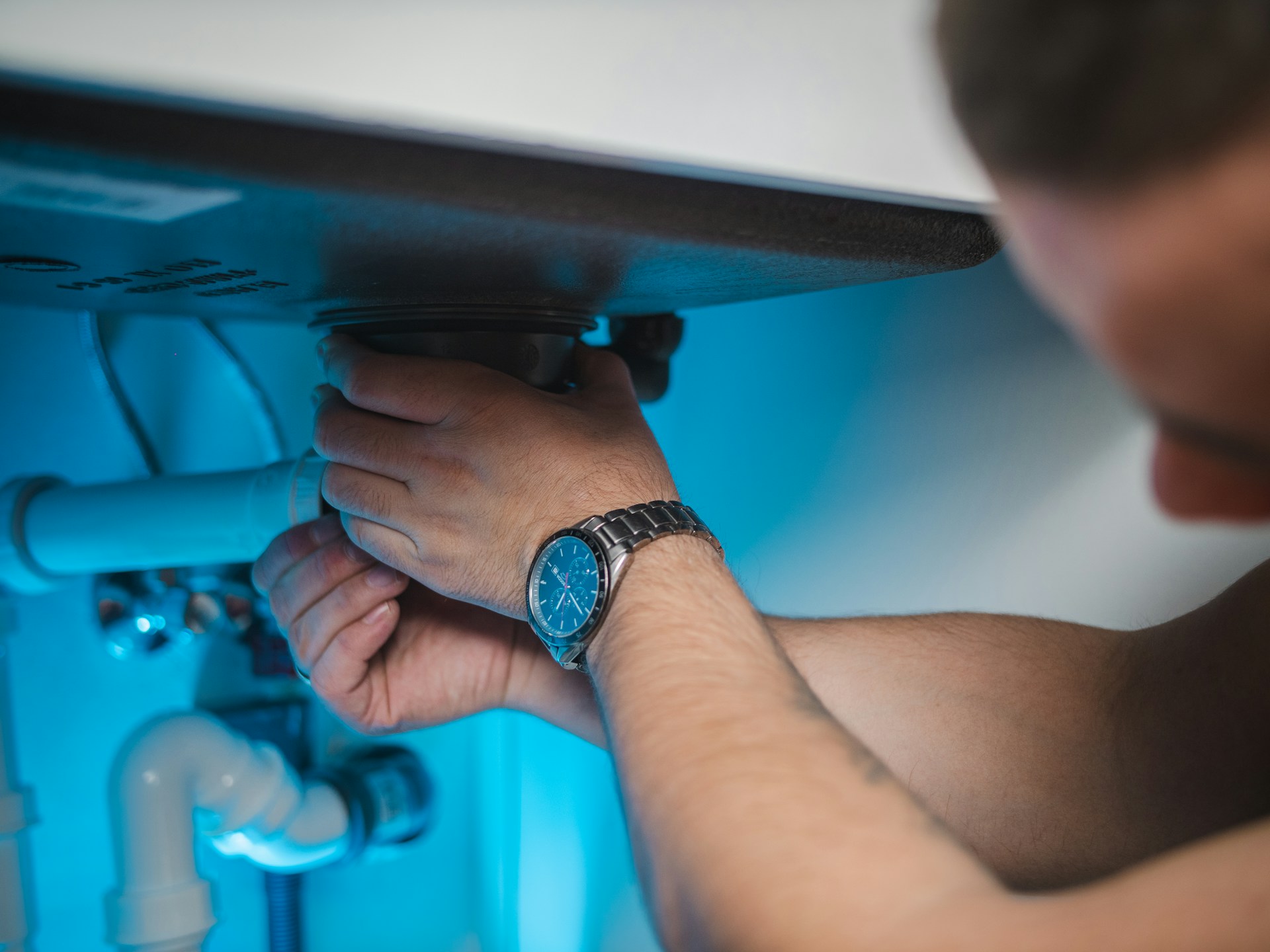
You should turn off the water supply valve behind the unit immediately and mop up the moisture. Since dealing with plumbing lines and internal drains can be messy and complex, this is a job best left to the experts.
6. Basic Appliance Troubleshooting at Home
You can resolve a few minor issues without professional intervention. Taking a few minutes to inspect your kitchen can save you a service fee.
Simple Steps to Try First
Before you panic about a broken machine, run through a quick appliance troubleshooting checklist:
- Ensure the power cord is securely plugged into the wall outlet.
- Check your home’s electrical panel for a tripped circuit breaker.
- Pull the unit away from the wall and vacuum the condenser coils to remove dust buildup.
- Make sure the appliance is perfectly level on the floor, as an uneven tilt can prevent the doors from closing properly.
Finding Reliable Repair Services
If you have completed these basic checks and the issue persists, it is time to call a professional. For those living in the Lower Mainland, securing expert refrigerator repair Vancouver requires finding a licensed, insured, and highly reviewed local team.
Technicians who carry common spare parts in their service vehicles can often diagnose and resolve the problem in a single visit.
Protect Your Groceries and Your Peace of Mind
Ignoring early warning signs will only lead to more expensive repairs down the road. By paying attention to strange noises, temperature fluctuations, and unexpected puddles, you can catch failing components before they ruin your weekly groceries.
Fast action ensures your kitchen keeps running smoothly. If your appliance is showing any of these troubling symptoms, you do not have to handle it alone. To explore professional, same-day service options and get your kitchen back on track, learn more about how local experts can resolve the issue safely and efficiently.