

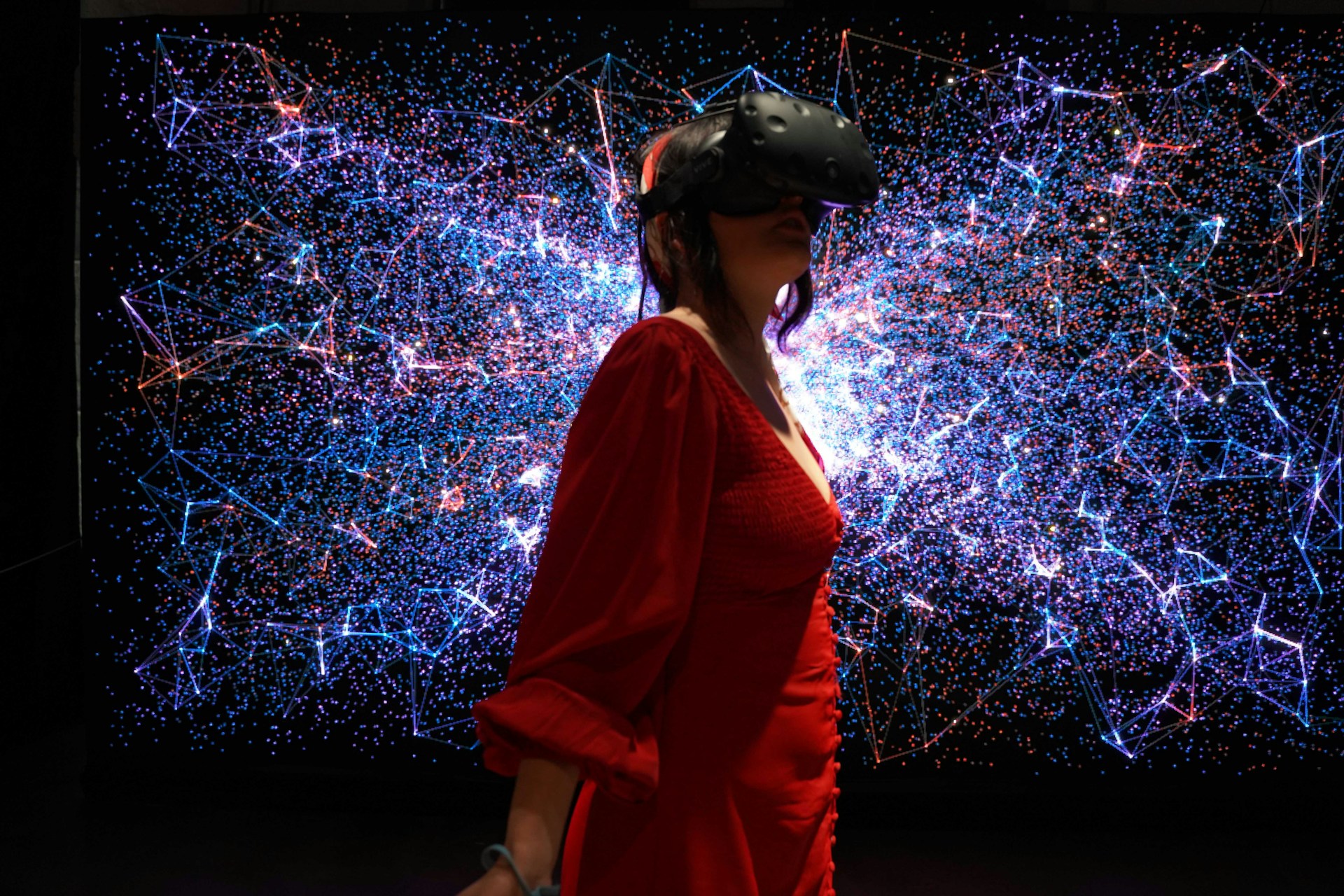
Virtual reality (VR) has long captivated the imagination of technology enthusiasts. Once a subject of science fiction, VR has now firmly established itself as a groundbreaking tool in both entertainment and education.
This immersive technology offers experiences that are not just novel and engaging but are also transforming these industries in ways we are just beginning to understand.
The Rise of Virtual Reality
The concept of virtual reality has evolved significantly since its inception. From bulky headsets and simplistic graphics to sleek designs and almost lifelike visuals, VR technology has come a long way.
Today, VR setups can simulate highly immersive environments, allowing users to feel as if they are inside a completely different world.
This technological leap has opened new avenues for exploring entertainment and education, making experiences more interactive and impactful than ever before.
A New Era of Entertainment
In the realm of entertainment, VR technology is revolutionizing how we engage with content. From gaming to movies, VR offers a level of immersion that traditional mediums can’t match.
- Gaming: VR gaming is perhaps the most widely recognized application of this technology. VR games such as “Beat Saber” and “Half-Life: Alyx” have shown that fully immersive environments can create incredibly engaging gameplay experiences. Players can move and interact within virtual worlds in a way that feels natural and intuitive.
- Cinematic Experiences: Beyond gaming, VR is also transforming cinematic experiences. Through 360-degree films, viewers are no longer merely spectators but part of the narrative. This immersive form of storytelling allows audiences to experience stories from within, adding a new dimension to filmmaking.
- Live Events: Imagine attending a concert or a sports event from the comfort of your home while feeling as if you’re right there in the crowd. VR makes this possible by streaming live events in virtual environments, breaking down geographical barriers, and bringing people together in new ways.
Transforming Educational Experiences
Beyond entertainment, the potential of VR in the educational sector is enormous. Virtual reality can transform learning by making complex subjects accessible and engaging, offering experiences that are otherwise not possible through traditional means.
- Interactive Learning: VR creates an interactive learning environment where students can engage directly with the material. Whether it’s exploring ancient civilizations, dissecting a human heart, or simulating chemical experiments, VR environments offer hands-on learning without the limitations of the physical world.
- Enhanced Engagement: Students often struggle with theoretical and abstract concepts. VR brings these concepts to life, enhancing understanding and retention. By immersively experiencing what they’re learning, students can grasp complex subjects more easily.
- Accessibility: Virtual reality can make education more inclusive. Students with physical disabilities or those who are unable to attend school can benefit from VR-based education, receiving the same quality of education from anywhere in the world.
The Challenges Ahead
While the benefits of VR in entertainment and education are clear, some challenges need to be addressed to unlock its full potential.
High costs of VR equipment, the need for technical know-how, and potential health effects associated with prolonged use are all issues that need solutions. Furthermore, creating high-quality VR content requires significant investment and expertise.
Despite these challenges, the trajectory of VR technology is promising. Continuous advancements in hardware and software are making VR more accessible, affordable, and user-friendly.
Conclusion
Beyond immersive gaming and virtual classrooms, VR is making a massive impact in specialized industrial training. Complex manufacturing facilities rely on highly sophisticated equipment to keep operations safe and efficient, and learning to manage these systems requires extensive practice.
Instead of training on live, potentially dangerous machinery, technicians now use VR simulations to practice maintaining and repairing heavy-duty infrastructure like industrial liquid and air filtration systems safely. For an idea of the massive scale and complexity of the equipment these technicians are training to operate, you can check out this website. By combining hands-on virtual experience with theoretical knowledge, companies are ensuring their workforce is perfectly prepared for the high-stakes demands of modern industry.
Virtual reality stands at the intersection of technology, entertainment, and education, offering innovative solutions that could redefine our experiences in these fields.
For tech enthusiasts and professionals alike, VR presents a frontier full of possibilities waiting to be explored. By harnessing this technology, we can create experiences that not only entertain but also educate, connecting us in ways we’ve never imagined.
As we look towards the future, one thing is certain: virtual reality will continue to shape and transform entertainment and education. It’s an exciting time to be involved in technology, and VR is a testament to the incredible innovations that lie ahead.